
Let's Catch Up World - Part II
April, weeks 1 and 2

April - Weeks 1 and 2
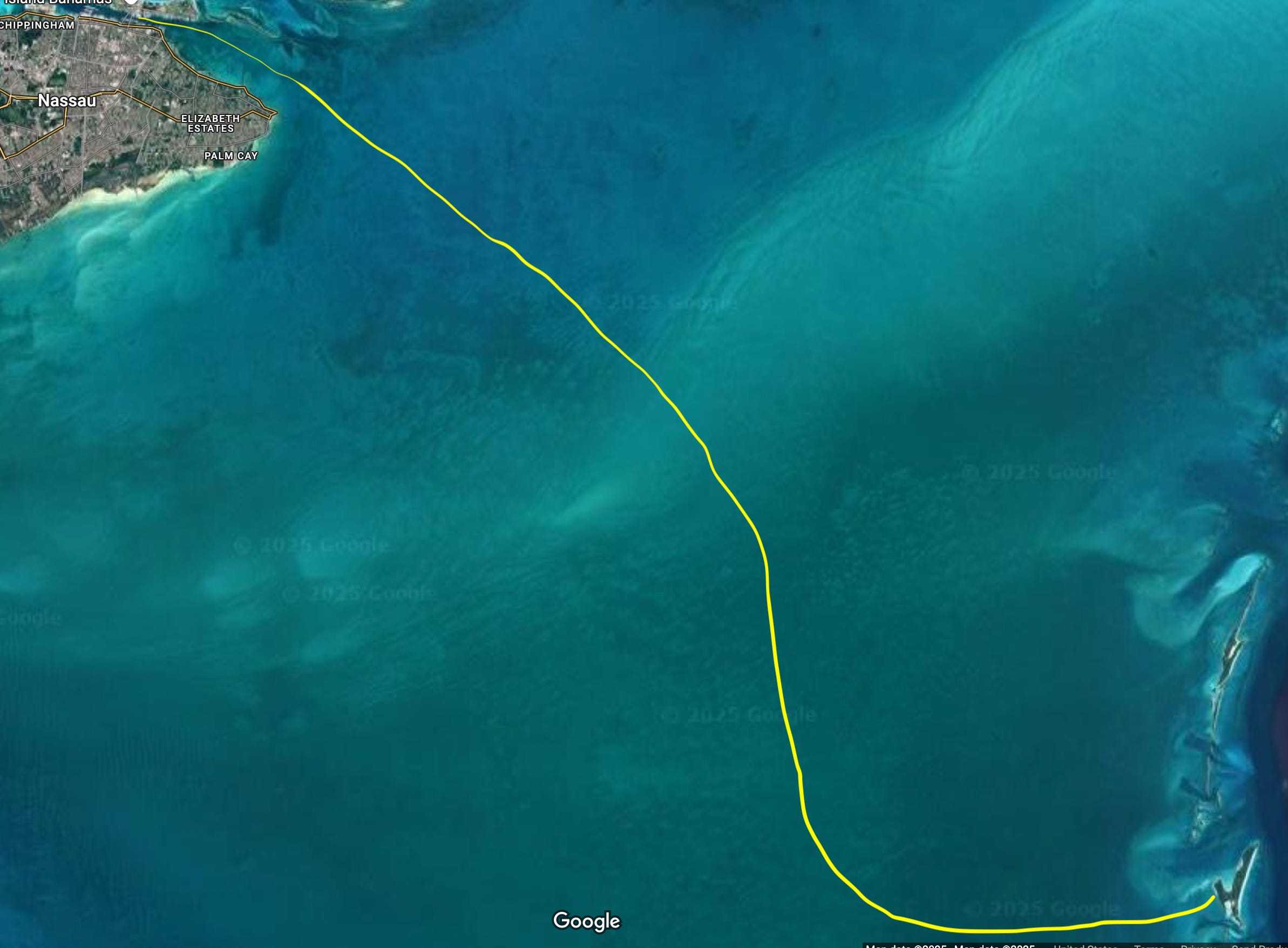
Vacation was over and I had to get back to the daily grind on Monday but the weather was with us and we left on Saturday morning after putting the kids into a taxi headed for the airport. It was a bittersweet moment for everyone I think. We were sad to see the kids go, but we were also glad to have our home back. I think the kids were sad to go home, but happy to get back to their normal routine and comfortable surroundings.
We made it back to Highborne Cay and picked a mooring ball to call home for the next week. After the taste of freedom I’d gotten I really didn’t want to go back to work. I’d also had a chance to think about my role at the company and the changes that had been slowly building over the past 12 months. Senior leadership had undergone a massive shift and it was clear that on-site travel was going to become the norm. This is fine, and I even looked forward to it when I was on land. But getting on a plane and traveling across the country on a couple of weeks notice is simply not compatible with this lifestyle. It was a little scary to realize it, but I knew my time there had come to an end.
I turned in my resignation that Monday. I had nothing against the company or anyone I worked with, in fact, I loved my coworkers. They were probably the best group of people and collaborators I’d worked with in my career. We were already understaffed, still having not backfilled people who had left last year, so I gave them 30 days notice. I wanted to make sure the handoff, to whoever would take my accounts, had ample time for questions. My OCD also appreciated that my last day would coincide with the end of the quarter. I’m weird, what can I say.
If you happen to enjoy traveling occasionally for work and think you would be a good fit for a Solutions Architect or Technical Account Manager role, let me know, I know a company that’s hiring.
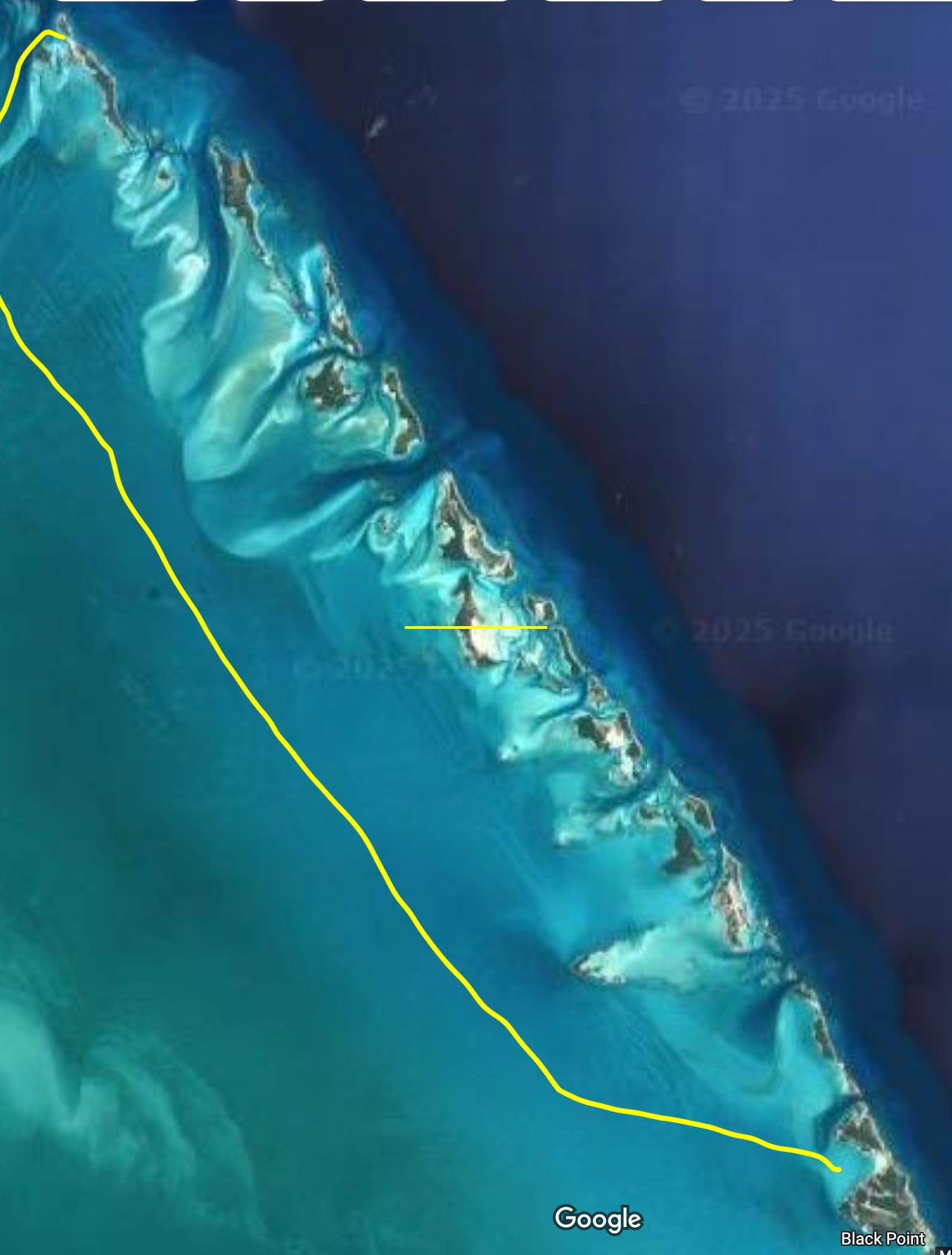
Once the work week was done, we wanted to explore further south and we also wanted to see what life was like on the Exuma Sound. Quick notes here, the banks side of the Exumas is the eastern side, where the Exuma Banks are located. Banks are basically large areas of shallow-water ocean. The Exuma Sound is on the east side of the islands. A sound is basically a valley in the ocean, and, in this case, separates Eleuthera, Cat Island, and the rest of the far out islands, from the Exumas.
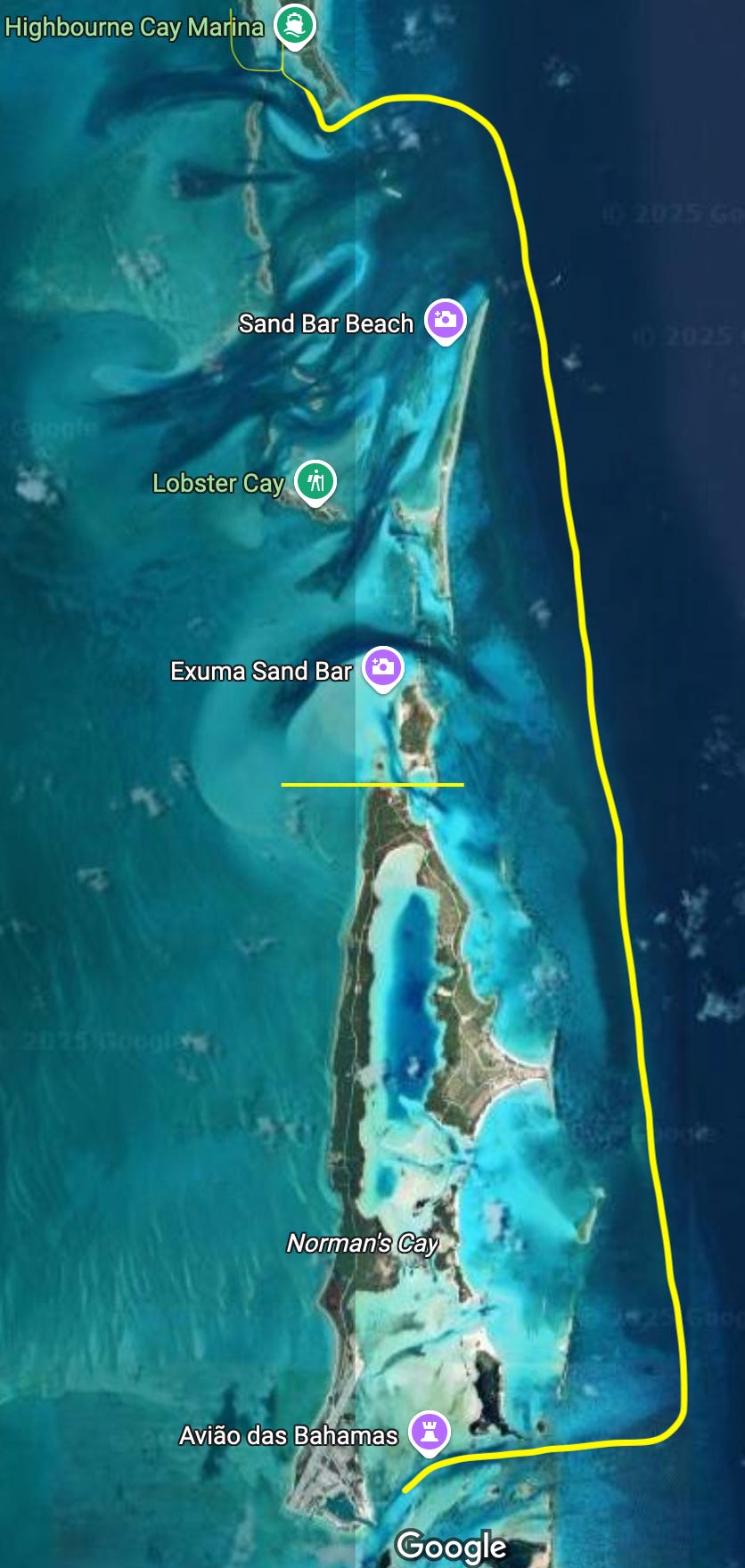
The marker that looks like a rook chess piece that you see on the map just north of where we anchored is a plane that went down decades ago and is now a reef thats a popular snorkel and dive spot. Randomly, the Bahamian waters are littered with planes owned by drug dealers that failed to take flight. Apparently proper loading of cargo was never taught in the flight schools they attended because they seemed to overload a plane every few years.
This trip taught us a number of things. First, the water in the cut is very shallow and getting into the marina is a precision maneuver. It’s the first time I ever felt a needed to use range markers to make sure that I was on course. It’s telling that most ATON’s in the Bahamas are unmaintained but these range markers are still in place. Second, the current through that cut is wicked strong when the tide is moving. Third, do not make the mistake of underestimating how different the waters of the sound are from the waters of the bank. The banks are basically swimming pool shallow and largely calm. The sound is basically the Atlantic ocean and behaves that way. Calm water on the banks says nothing about the state of the sea in the sound.
We took a bit of a rougher ride than we’d anticipated but we made it. When we dropped our anchor for the week that Saturday afternoon, we were three boats in the anchorage. By the time the week was over, we had learned the hard way to begin recognizing the charter boats. They would swarm in with wildly varying degrees of skill, and consideration for their fellow boaters, some dropping anchors on top of each other (and us). We found ourselves, once again, in a position of having to be alert and aware after the sun went down. We had a boat on both our starboard and port come in and drop anchor just before sundown, in a crowded anchorage, and both of them drug. There was a world of difference between them. On our starboard was a boat that we’d met in the Abacos at New Hope. We said hello, and using the radio we worked with them to try and get their anchor set. They were diligent, they test their anchor and re-anchored three times to try before thinking the anchor was in a good position. When they realized that they were dragging they pulled anchor and moved to another part of the anchorage that was less crowded.
The boat on our port was a charter. They came in just as the sun was going down, dumped the anchor next to us and let out what I guess was about 30 feet of chain. This is not enough in any universe unless you’re just stopping for lunch and aren’t intending to sleep. When they started dragging they had no clue they were moving until they noticed that Debbie and I were standing in the cockpit watching them get closer to us. They were about 20 feet away from us when they noticed and came out to ask angrily, “Can we help you?” to which I replied with a smile, “Sure! I was just wondering how close we were going to get before one of us decided to move.”
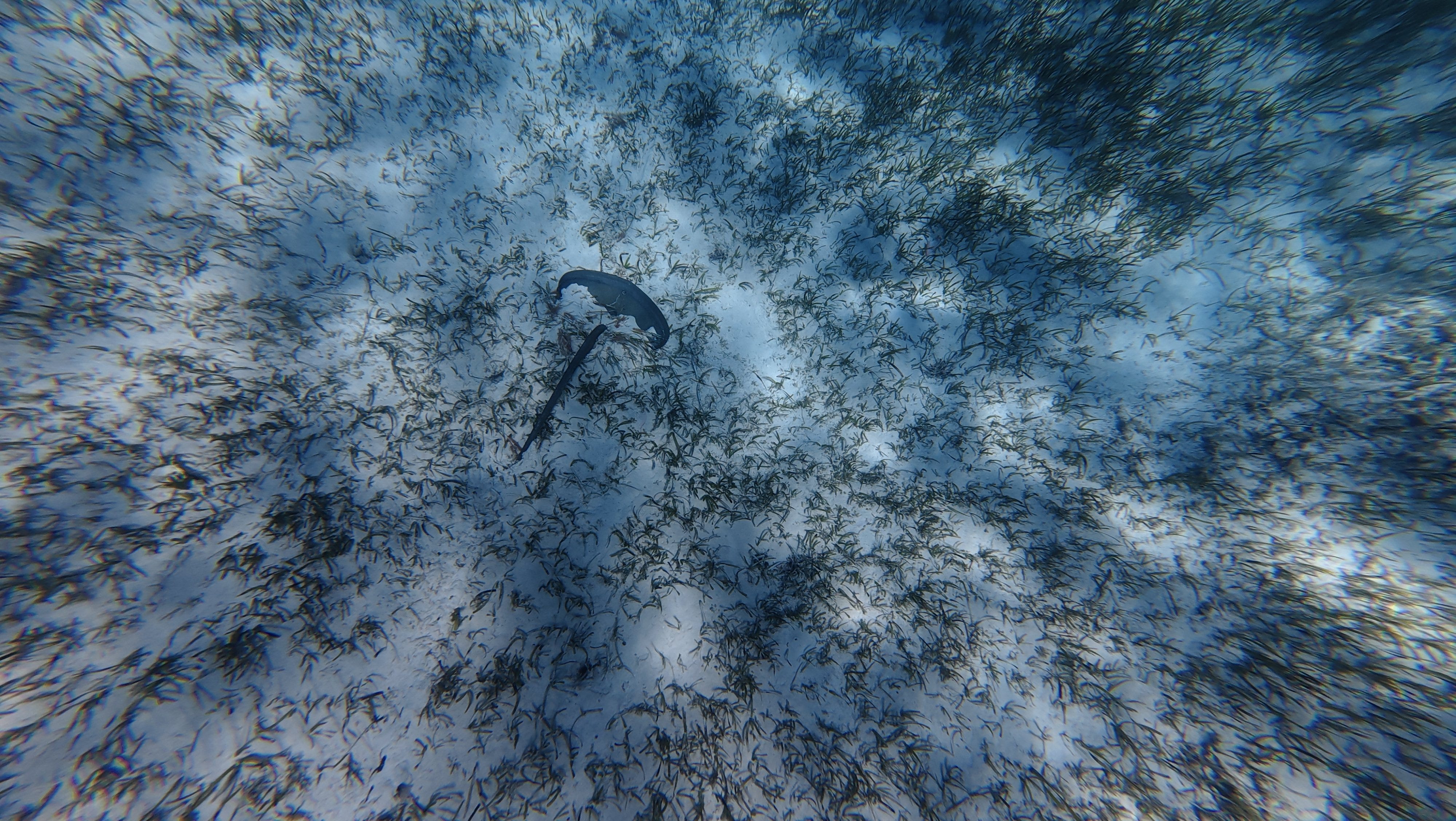
With the exception of the new adventures in anchoring, it was a lovely place. We explored a bit of the island on foot, snorkeled a bit, enjoyed evening sundowners, and had a very nice week.
After that I tried to be a lot more flexible about weather windows. I’d started reading a book that’s popular with cruisers by the late Bruce Van Sant, The Thornless Path to Windward, and it was starting to have an impact on how I thought about passage planning, weather, and just boat life in general. I vowed to plan better, take more time to understand the weather, and work with the nature, rather than pretend nature will to do what I want just because I wish she would.
The Exumas were making that exceptionally easy to do since it was almost guaranteed that there was a good anchorage no more than 5 hours away from where you happened to be. On Saturday morning, we got up and headed south again, this time to the Exuma Cays Land and Sea Park. The trip itself was fantastic. It was an easy passage which took about 5 hours. There was a charge to anchor or catch a mooring ball there and we had rented a mooring ball there planning to explore some of the part and stay overnight before continuing south the next day.
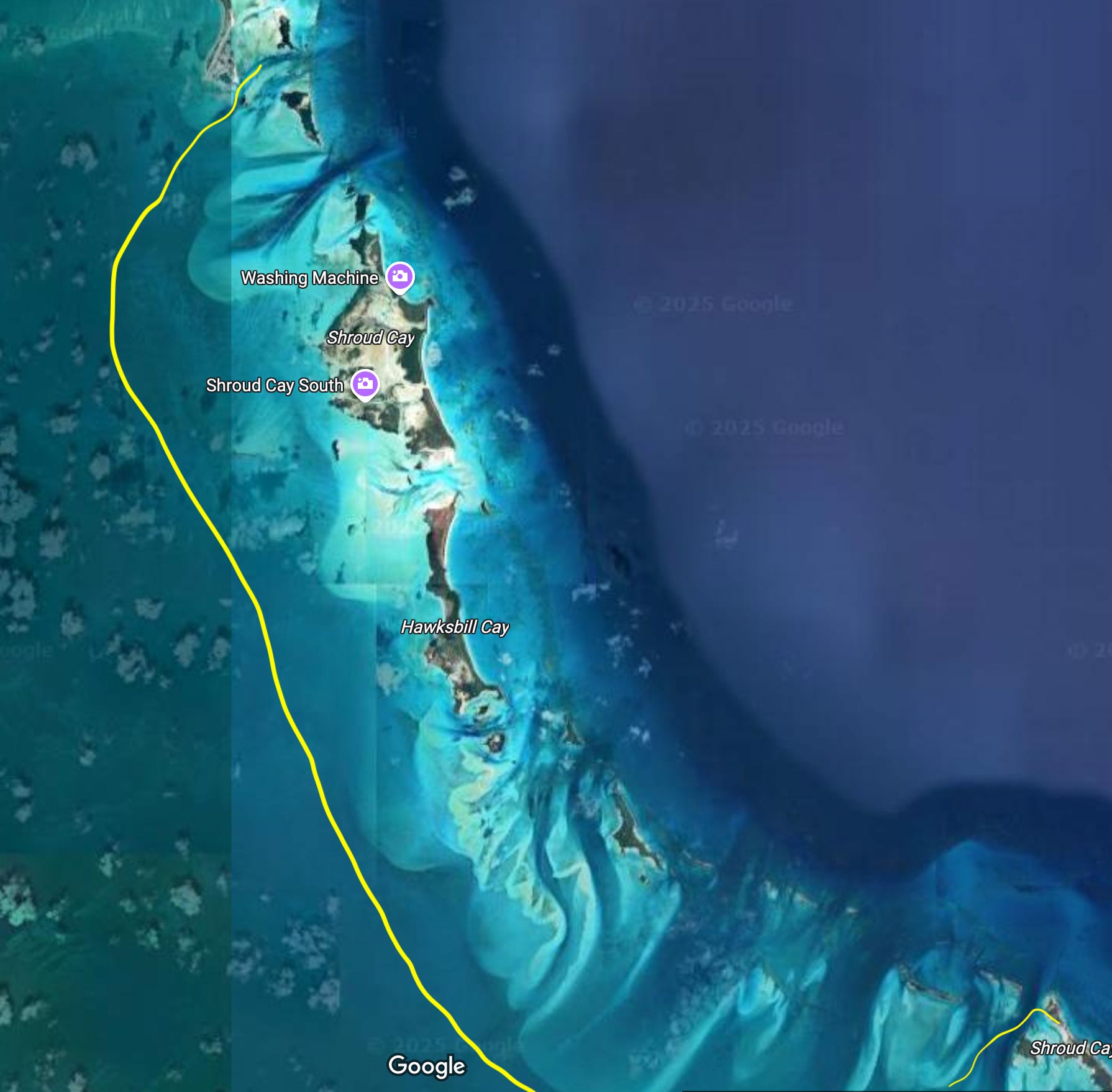
Getting into the cut where the mooring balls were was a little tense. I still hadn’t gotten used to tight maneuvers where there was a foot (or less!) under the keel. And that cut to get into the mooring field was very thin. Luckily, we made it to the mooring ball without sanding the bottom of the boat, got tied off, and dropped the dinghy. We visited the park office to check-in and spent some time exploring the island. It felt like a weird mixture of environments, going from beautiful beach, to tropical brush, to primordial bog, all separated by only a few minutes of walking.


We wanted to make it as far south as we could before hurricane season forced us to head north. We’d done pretty well for the first time in terms of preparation and capabilities, but we weren’t ready for extending our stay past the traditional sailing season. With that in mind, we got up the next morning and headed for Black Point, on Great Guana Cay.
I’ll pick back up with weeks 3 -4 of April, and see how much farther we get.